

Home Cleaning9 min read
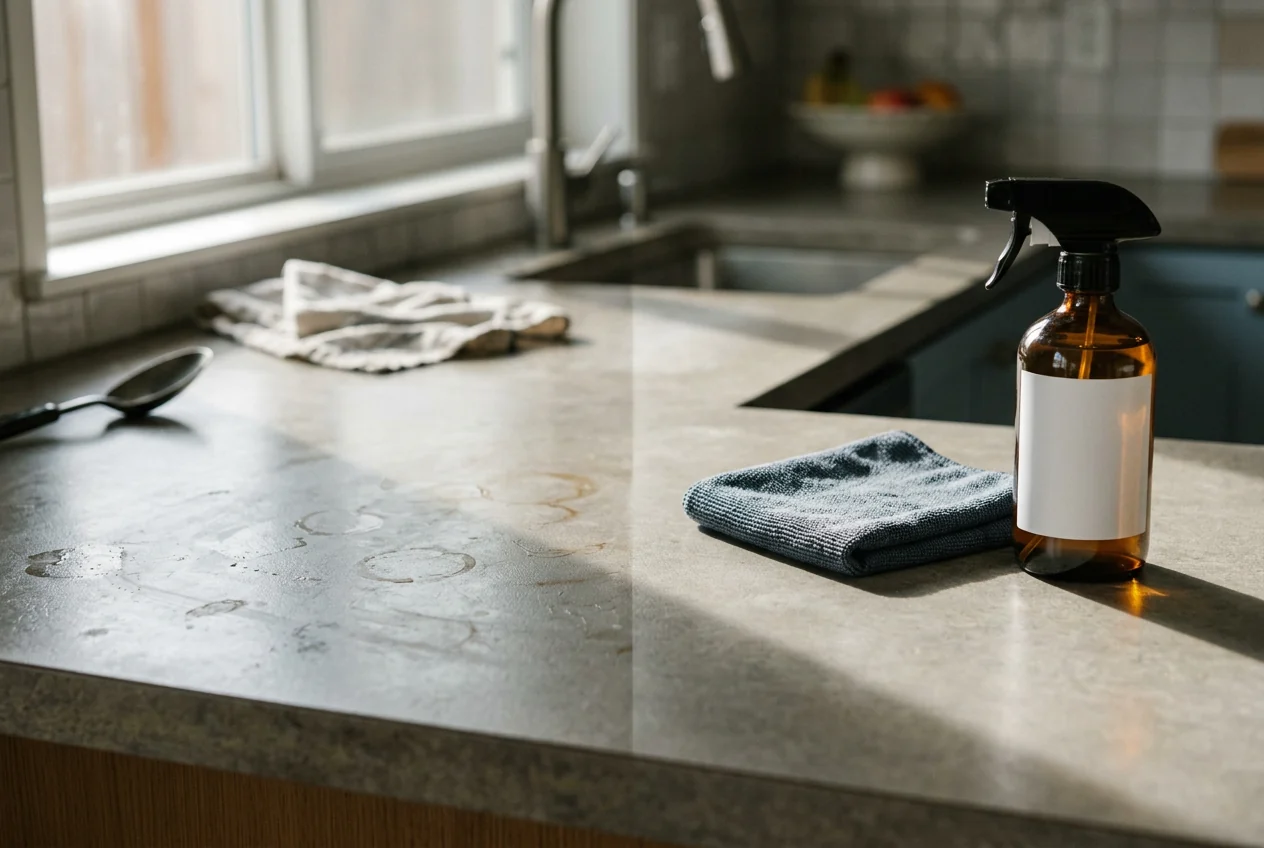
A busy household can make even a carefully planned cleaning routine feel temporary. Foot traffic returns, cooking leaves residue and hard-to-reach spaces quietly collect dust. Calling a professional cleaner is not an admission that you cannot manage your home. It is a practical way to catch up on the areas that take more time or equipment than a normal week allows.
When routine cleaning stops keeping up
The first sign is often not a dramatic mess. It is the same task moving from one weekend list to the next. A bathroom that never feels quite fresh, kitchen grease around handles, or dust on fans and baseboards can signal that maintenance alone is no longer reaching everything.
A practical order of work
Start with the rooms you use every day. Clear counters enough to see the surfaces, then look at cabinet faces, appliance exteriors, light switches and floor edges. If a thorough pass would consume a whole weekend, deep cleaning may be the more useful starting point.
Materials and safety
Ask what is included before confirming a visit. A recurring clean, a detailed reset and a move-out clean are different scopes. Share the number of rooms, any pets, delicate surfaces and the areas that concern you most. Clear communication helps a crew plan the time and supplies rather than guessing when they arrive.
When to bring in a cleaning crew
Ask what is included before confirming a visit. A recurring clean, a detailed reset and a move-out clean are different scopes. Share the number of rooms, any pets, delicate surfaces and the areas that concern you most. Clear communication helps a crew plan the time and supplies rather than guessing when they arrive.
A final walkthrough
Before calling a space finished, step back and look at it as someone entering for the first time. Check that surfaces are dry, tools are put away and any moved items have been returned. Notice what still needs attention and put it on the next list rather than repeatedly cleaning a single spot while the rest of the room waits.
- Confirm the agreed rooms and priority surfaces have been addressed.
- Check high-touch areas such as handles, switches and counters.
- Look over floor edges and corners in good natural light.
- Store products safely and let freshly cleaned surfaces dry.
The right plan is the one you can keep. Some homes benefit from small daily resets; others need a deeper seasonal visit or extra help at a transition. If you are unsure which level of cleaning fits your space, describe the rooms and your priorities when requesting a quote.
What to discuss before scheduling
Describe the condition of the space honestly. Mention pets, stairs, fragile finishes, unusual buildup and anything that should not be touched. Ask which supplies are provided and whether there are any tasks outside the regular scope. This conversation makes expectations clearer for everyone and helps prevent last-minute changes.
Walk through the practical details too: parking or access instructions, when the space will be available and who can answer a question on the day. If a task depends on moving heavy furniture, opening locked rooms or handling specialty materials, agree on that explicitly rather than assuming it is included.
Ask what is included before confirming a visit. A recurring clean, a detailed reset and a move-out clean are different scopes. Share the number of rooms, any pets, delicate surfaces and the areas that concern you most. Clear communication helps a crew plan the time and supplies rather than guessing when they arrive.
Keep the result easier to maintain
After a thorough clean, focus on the habits that protect the result. Wipe spills promptly rather than allowing residue to harden. Give commonly used items a consistent home so counters remain accessible. In wet areas, allow air to circulate and dry surfaces where practical.
A maintenance list should be short enough to use. Divide it into daily, weekly and less frequent tasks, then adjust it after a month. If one room consistently needs more attention, shift time toward that room instead of treating every surface equally.
Start with the rooms you use every day. Clear counters enough to see the surfaces, then look at cabinet faces, appliance exteriors, light switches and floor edges. If a thorough pass would consume a whole weekend, deep cleaning may be the more useful starting point.
Choose the scope that fits your situation
A routine visit usually concentrates on regularly used, accessible areas. Detailed work takes longer because it includes more edges, fixtures or buildup. A transition clean may happen in an empty property and require attention to spaces normally hidden behind belongings. The right choice depends on condition and priorities, not just the square footage.
Ask for a clear description of what is and is not included. If you have a deadline, share it early so the work can be planned around access and drying time. A realistic scope is better than promising everything at once and rushing the most important spaces.
Ask what is included before confirming a visit. A recurring clean, a detailed reset and a move-out clean are different scopes. Share the number of rooms, any pets, delicate surfaces and the areas that concern you most. Clear communication helps a crew plan the time and supplies rather than guessing when they arrive.
Review and adapt the plan
Once the work is complete, check the priority areas before deciding what to tackle next. A photograph can help you remember the starting condition, but it does not replace a careful walkthrough. Make note of any spots that require special products or more frequent attention.
Revisit the plan as seasons and household use change. More guests, a move or a shift in office occupancy can alter where dirt collects. Keeping the checklist flexible makes it useful instead of another chore to manage.
The first sign is often not a dramatic mess. It is the same task moving from one weekend list to the next. A bathroom that never feels quite fresh, kitchen grease around handles, or dust on fans and baseboards can signal that maintenance alone is no longer reaching everything.
Signs the work is becoming a bigger project
Look for a pattern across several rooms, not one untidy day. Dust settling behind large furniture, grease collecting near cooking areas and mineral deposits around taps each take a different approach. A regular wipe-down can keep them from worsening, but once several surfaces need extended attention, reserving a longer cleaning session may be more effective than squeezing each job into an evening.
A change in household schedule can make the difference. Hosting guests, returning from travel or adjusting to a new school term often adds mess without adding time. Choose the most important rooms first. The goal is not to make every shelf flawless in a single visit; it is to make the spaces you use more comfortable and easier to maintain.
Ask specific questions about the scope
A useful request describes what you see: marks around taps, dust on reachable fixtures, tracked-in dirt near the entrance or residue on cabinet doors. A list of observations is more helpful than simply saying the home needs everything done. Ask whether interiors of appliances, windows, blinds or walls are part of the proposed work; these tasks may be separate from standard cleaning.
If a surface needs special care, tell the crew what it is made of and whether the manufacturer supplied instructions. Natural stone, sealed wood and delicate fabrics may not tolerate the same methods as ordinary tile or laminate. Photograph a concern before the visit if you want to explain it without guessing at the material.
Make the visit easier for everyone
Before the appointment, put away valuables and personal documents. Move small items from areas you want cleaned, if you are able, so time can go toward the surfaces beneath them. Make sure the crew can enter at the agreed time and knows where to park. Keep pets in a comfortable separate space if unfamiliar visitors make them anxious.
Afterward, check the rooms you identified as priorities. If something falls outside the original scope, discuss it rather than assuming it was missed. Keep a short note of which tasks made the biggest difference. The next visit can focus on maintenance or rotate a different detail area instead of repeating unnecessary work.
Decide what to tackle next
The benefit of professional help is often the time it gives back, but a clear priority list matters more than covering the largest number of surfaces. Identify one or two spaces that affect your daily comfort, then ask what can realistically be finished in the time available. A kitchen that is easier to use and a bathroom that feels refreshed may be more valuable than light attention everywhere.
Take a careful look afterward. Note surfaces that still need repair, storage changes or a different cleaning method. Keeping those observations separate makes it easier to plan. A cleaner can address soil and residue within the agreed scope; replacing worn grout, fixing leaks and restoring damaged finishes require different kinds of work. The next practical step may be a small weekly routine, a periodic longer visit or a conversation about a more targeted service.