
Moving9 min read
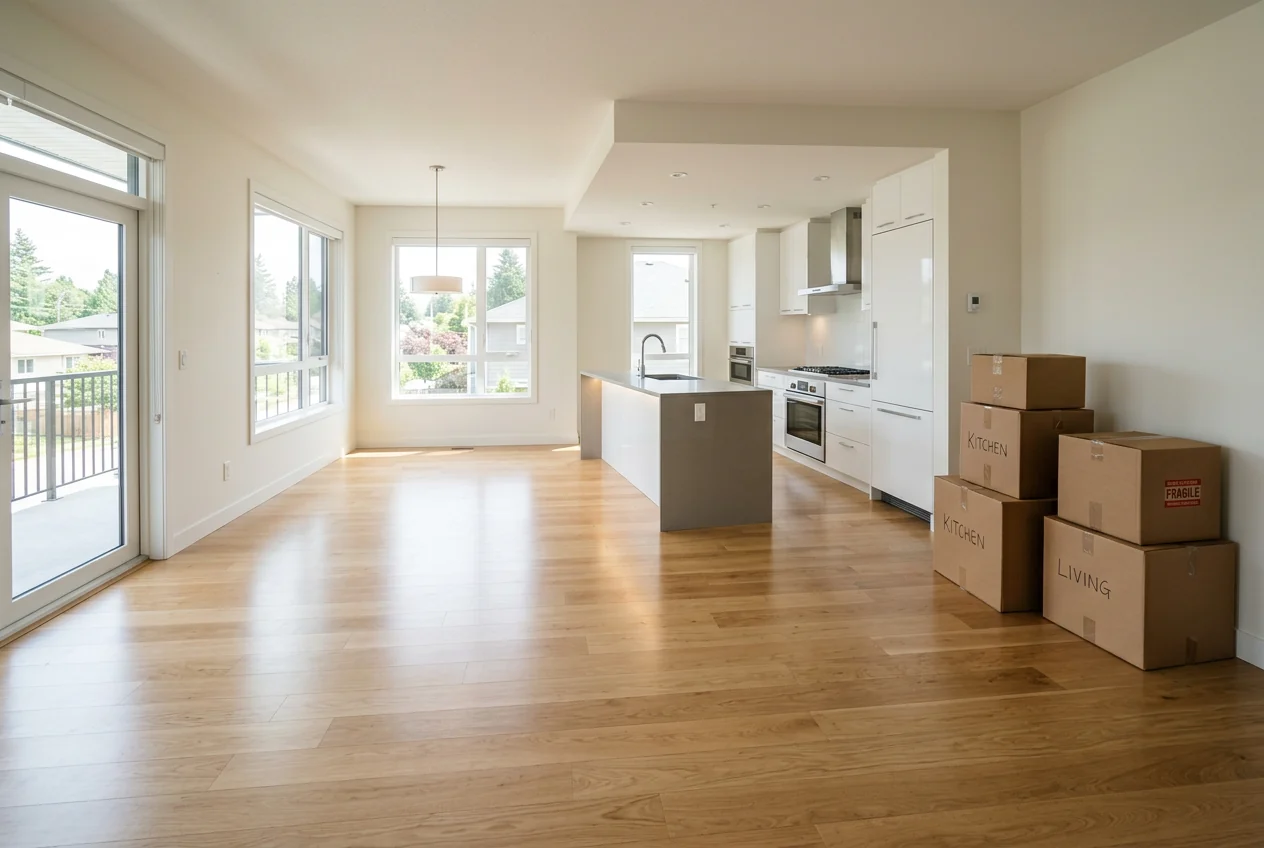
Moving day has a way of consuming every spare hour. The best time to clean many hidden areas is after belongings leave the old home or before boxes enter the new one. With rooms empty, you can see floor edges, closet shelves, cabinet interiors and the spaces behind movable furniture.
Use the empty-home window wisely
Take photos of the home before you begin and note any condition requirements from a lease, sale agreement or property manager. A cleaning checklist is useful, but it does not replace any specific written handover terms. Separate actual cleaning tasks from repairs so expectations remain clear.
A practical order of work
Prioritize the kitchen and bathrooms while water and power are still available. Check appliance interiors if included in the agreed scope, wipe cabinets according to their finish and work from top to bottom. Floors come last so shoes and supplies do not immediately undo the work.
Materials and safety
For a packed schedule, arrange move-in and move-out cleaning with enough time before a final walkthrough. Tell the team which rooms are empty, whether utilities are on and any access instructions. Avoid booking the clean while movers are still carrying boxes through the space.
When to bring in a cleaning crew
For a packed schedule, arrange move-in and move-out cleaning with enough time before a final walkthrough. Tell the team which rooms are empty, whether utilities are on and any access instructions. Avoid booking the clean while movers are still carrying boxes through the space.
A final walkthrough
Before calling a space finished, step back and look at it as someone entering for the first time. Check that surfaces are dry, tools are put away and any moved items have been returned. Notice what still needs attention and put it on the next list rather than repeatedly cleaning a single spot while the rest of the room waits.
- Confirm the agreed rooms and priority surfaces have been addressed.
- Check high-touch areas such as handles, switches and counters.
- Look over floor edges and corners in good natural light.
- Store products safely and let freshly cleaned surfaces dry.
The right plan is the one you can keep. Some homes benefit from small daily resets; others need a deeper seasonal visit or extra help at a transition. If you are unsure which level of cleaning fits your space, describe the rooms and your priorities when requesting a quote.
What to discuss before scheduling
Describe the condition of the space honestly. Mention pets, stairs, fragile finishes, unusual buildup and anything that should not be touched. Ask which supplies are provided and whether there are any tasks outside the regular scope. This conversation makes expectations clearer for everyone and helps prevent last-minute changes.
Walk through the practical details too: parking or access instructions, when the space will be available and who can answer a question on the day. If a task depends on moving heavy furniture, opening locked rooms or handling specialty materials, agree on that explicitly rather than assuming it is included.
For a packed schedule, arrange move-in and move-out cleaning with enough time before a final walkthrough. Tell the team which rooms are empty, whether utilities are on and any access instructions. Avoid booking the clean while movers are still carrying boxes through the space.
Keep the result easier to maintain
After a thorough clean, focus on the habits that protect the result. Wipe spills promptly rather than allowing residue to harden. Give commonly used items a consistent home so counters remain accessible. In wet areas, allow air to circulate and dry surfaces where practical.
A maintenance list should be short enough to use. Divide it into daily, weekly and less frequent tasks, then adjust it after a month. If one room consistently needs more attention, shift time toward that room instead of treating every surface equally.
Prioritize the kitchen and bathrooms while water and power are still available. Check appliance interiors if included in the agreed scope, wipe cabinets according to their finish and work from top to bottom. Floors come last so shoes and supplies do not immediately undo the work.
Choose the scope that fits your situation
A routine visit usually concentrates on regularly used, accessible areas. Detailed work takes longer because it includes more edges, fixtures or buildup. A transition clean may happen in an empty property and require attention to spaces normally hidden behind belongings. The right choice depends on condition and priorities, not just the square footage.
Ask for a clear description of what is and is not included. If you have a deadline, share it early so the work can be planned around access and drying time. A realistic scope is better than promising everything at once and rushing the most important spaces.
For a packed schedule, arrange move-in and move-out cleaning with enough time before a final walkthrough. Tell the team which rooms are empty, whether utilities are on and any access instructions. Avoid booking the clean while movers are still carrying boxes through the space.
Review and adapt the plan
Once the work is complete, check the priority areas before deciding what to tackle next. A photograph can help you remember the starting condition, but it does not replace a careful walkthrough. Make note of any spots that require special products or more frequent attention.
Revisit the plan as seasons and household use change. More guests, a move or a shift in office occupancy can alter where dirt collects. Keeping the checklist flexible makes it useful instead of another chore to manage.
Take photos of the home before you begin and note any condition requirements from a lease, sale agreement or property manager. A cleaning checklist is useful, but it does not replace any specific written handover terms. Separate actual cleaning tasks from repairs so expectations remain clear.
Plan backward from the handover
Make a simple timeline that includes packing, movers, cleaning and the final inspection. If the old home must be empty before a cleaner can work, allow room for delays rather than booking both tasks at the same moment. Confirm when keys must be returned and whether access to the new property starts before or after utilities are active.
Collect lease instructions, a property checklist or buyer-agreed conditions in one place. Those documents may identify tasks beyond ordinary cleaning, such as particular appliance interiors or an outdoor area. The responsibility for repairs and condition disputes depends on the agreement, so keep cleaning notes separate from any maintenance concerns.
Work through an empty home methodically
Open cupboards and drawers to check for left-behind objects before wiping them. Look at shelves from different angles in good light. Bathrooms can be cleaned while rooms are still being cleared, but save easily marked floors for after foot traffic slows. Make sure the sink, taps and floors have time to dry before the last walkthrough.
A moving crew and a cleaning crew need different access. Label boxes that should remain and explain which belongings will be removed. If furniture is staying behind, say so before quoting the work. An empty-room estimate will not necessarily cover cleaning around a furnished room with storage to navigate.
Check the final details
Bring a small list of places easy to miss: inside accessible drawers, the tops of door frames, reachable switch plates and the area around waste bins. Close windows and check that lights and taps are left as agreed. Photograph finished rooms if your handover process requires documentation, but do not publish images of someone else's home without permission.
When moving in, start with the surfaces you will use immediately: the kitchen sink, food preparation area, bathroom and sleeping space. Unpack clean linens and daily essentials only after those rooms are ready. The rest of the home can follow a slower plan once the moving-day rush is over.
Keep the handover calm
Leave accessible information for the people who need it: entry instructions for the cleaner, parking details where relevant and a contact for last-minute access questions. Avoid packing cleaning supplies needed for your own final tasks until the end, but do not leave unlabeled chemicals for someone else to identify. If you will not be present, make sure expectations about keys and locking up are agreed in advance.
Walk through each room after belongings are gone. A space can appear clean while corners behind a removed dresser reveal dust. Conversely, a scuff or worn patch may be damage rather than removable soil. Record the difference clearly, then prioritize what is actually within the cleaning scope. That distinction can save unnecessary effort during an already busy move.
Compare move-out and move-in priorities
At the old property, the emphasis is often on leaving empty rooms accessible and following the condition requirements in your agreement. At the new property, immediate comfort matters most: usable sinks, a clean bathroom and floors ready for furniture. If you can access the new home before delivery day, clean these areas first. If you cannot, unpack a small set of necessities and handle the most used surfaces before arranging the rest.
Not every mark is removable through cleaning. Worn flooring, aged paint and damaged hardware should be documented rather than scrubbed aggressively. Discuss any uncertainty with the relevant owner or manager and follow your agreement. That protects the home and prevents a cleaning session from becoming an unintended repair attempt.